 Reviews

 Proudly American
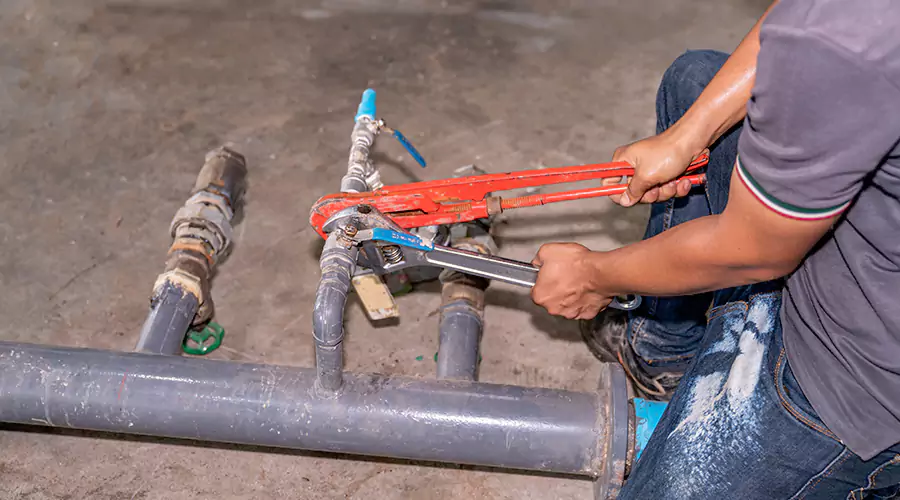
Your home’s plumbing system is essential for daily life, but over time, pipes naturally age, corrode, and become vulnerable to leaks or failures. Knowing when to repair or replace old plumbing pipes can help homeowners save money, prevent costly water damage, and ensure a steady, safe water supply throughout the house. Ignoring early warning signs often leads to emergencies that require extensive repairs and disrupt daily routines.
In this guide, we’ll explore the signs of aging pipes, when repairs are sufficient, and when full replacement is the better long-term choice.
Why Aging Pipes Matter
Old or damaged pipes can lead to serious issues in your home:
- Leaks and Water Damage: Hidden leaks can weaken walls, floors, and even the foundation, leading to mold growth and structural concerns.
- Low Water Pressure: Corroded or clogged pipes restrict water flow to faucets, showers, and appliances.
- Health Risks: Lead, rust, or bacterial buildup in old pipes can contaminate your drinking water and affect your family’s health.
- High Maintenance Costs: Frequent repairs can quickly add up, often costing more over time than a full replacement.
Understanding the condition of your plumbing system allows homeowners to make informed decisions before minor issues turn into major problems.
Signs You Need Pipe Repair or Replacement
Homeowners should watch for the following warning signs:
Frequent Leaks or Burst Pipes
Recurrent leaks in the same area often indicate deteriorating pipe material. Burst pipes may result from corrosion, excessive water pressure, or shifting foundations, all of which signal weakened plumbing.
Low Water Pressure
Sudden drops in pressure can point to internal corrosion or sediment buildup in copper or PVC pipe installations. Slow drains and inconsistent water flow across multiple fixtures are also red flags.
Discolored or Contaminated Water
Rusty, brown, or yellow water usually means corroded metal pipes. Cloudy water or unpleasant odors may indicate bacterial growth inside aging plumbing lines.
Strange Noises in Pipes
Banging, clanging, or whistling sounds can suggest loose connections, trapped air, or worn-out pipes. Water hammering is common in older systems with deteriorated components.
High Maintenance and Frequent Repairs
If you are constantly calling a plumber for small fixes, the overall cost may exceed that of a complete plumbing replacement. This is often a sign the system has reached the end of its lifespan.
Visible Corrosion or Mineral Buildup
Greenish or white deposits on copper pipes indicate limescale buildup, while flaking rust on older pipes shows advanced corrosion and structural weakness.
When to Repair vs. Replace
The decision depends on the extent and location of the damage.
Repairing Pipes
Minor leaks, small cracks, or isolated corrosion can often be fixed. Professional patching, joint replacement, or sealing may be enough if the rest of the system is in good condition and the pipes are relatively modern.
Replacing Pipes
Widespread corrosion, multiple recurring leaks, or outdated materials such as galvanized steel or lead usually require full replacement. Modern water pipe installation ensures long-term reliability, improved performance, and fewer emergency repairs.
Types of Pipes to Consider Replacing
- Copper Pipes: Durable but may develop pinhole leaks or corrosion after decades of use.
- PVC Pipes: Resistant to rust but can crack under high pressure or foundation movement.
- Galvanized Steel Pipes: Highly prone to rust and mineral buildup, often restricting water flow and requiring replacement.
- PEX Pipes: Flexible, corrosion-resistant, and commonly used in modern plumbing systems for their durability and ease of installation.
Benefits of Replacing Old Pipes
Investing in new plumbing offers several advantages:
- Improved Water Flow: New pipes restore proper pressure and eliminate blockages.
- Better Water Quality: Modern materials prevent rust, lead contamination, and bacterial growth.
- Reduced Risk of Leaks: Replacing weakened pipes lowers the chance of sudden failures.
- Long-Term Savings: Fewer repairs, lower water bills, and increased property value make replacement a smart investment.
Preventive Maintenance Tips
To extend the life of your plumbing system:
- Schedule annual inspections for leaks, corrosion, and pressure issues.
- Avoid pouring grease, chemicals, or large debris down drains.
- Monitor water bills for unusual spikes that may indicate hidden leaks.
- Use water softeners in hard-water areas to reduce mineral buildup.
Why Hire a Professional Plumber
A licensed plumber can accurately assess whether repair or replacement is the best option. Professional services ensure proper water pipe installation, high-quality materials, and minimally invasive techniques that protect walls, floors, and concrete. Experts also provide valuable maintenance advice to extend the lifespan of your system.
Conclusion
Knowing when to repair or replace old plumbing pipes is essential for protecting your home, maintaining water quality, and avoiding expensive emergencies. Minor issues can often be repaired, but widespread corrosion, outdated materials, or recurring problems usually mean replacement is the safest and most cost-effective solution. A professional inspection can help you make the right decision and ensure reliable plumbing for years to come.